January ushers in the traditional Western New Year and February the Chinese New Year. In 2026, Chinese New Year begins on February 17th. You’ll find the biggest observances in countries and territories including Mainland China, Hong Kong, Taiwan, Macau, Thailand, Indonesia, Malaysia, Singapore, and even Mauritius! However, any country with a significant Chinese community will hold regional celebrations. Start your year off “in the know” with these three fast facts on Chinese New Year or Lunar New Year / Spring Festival as it’s also commonly known:
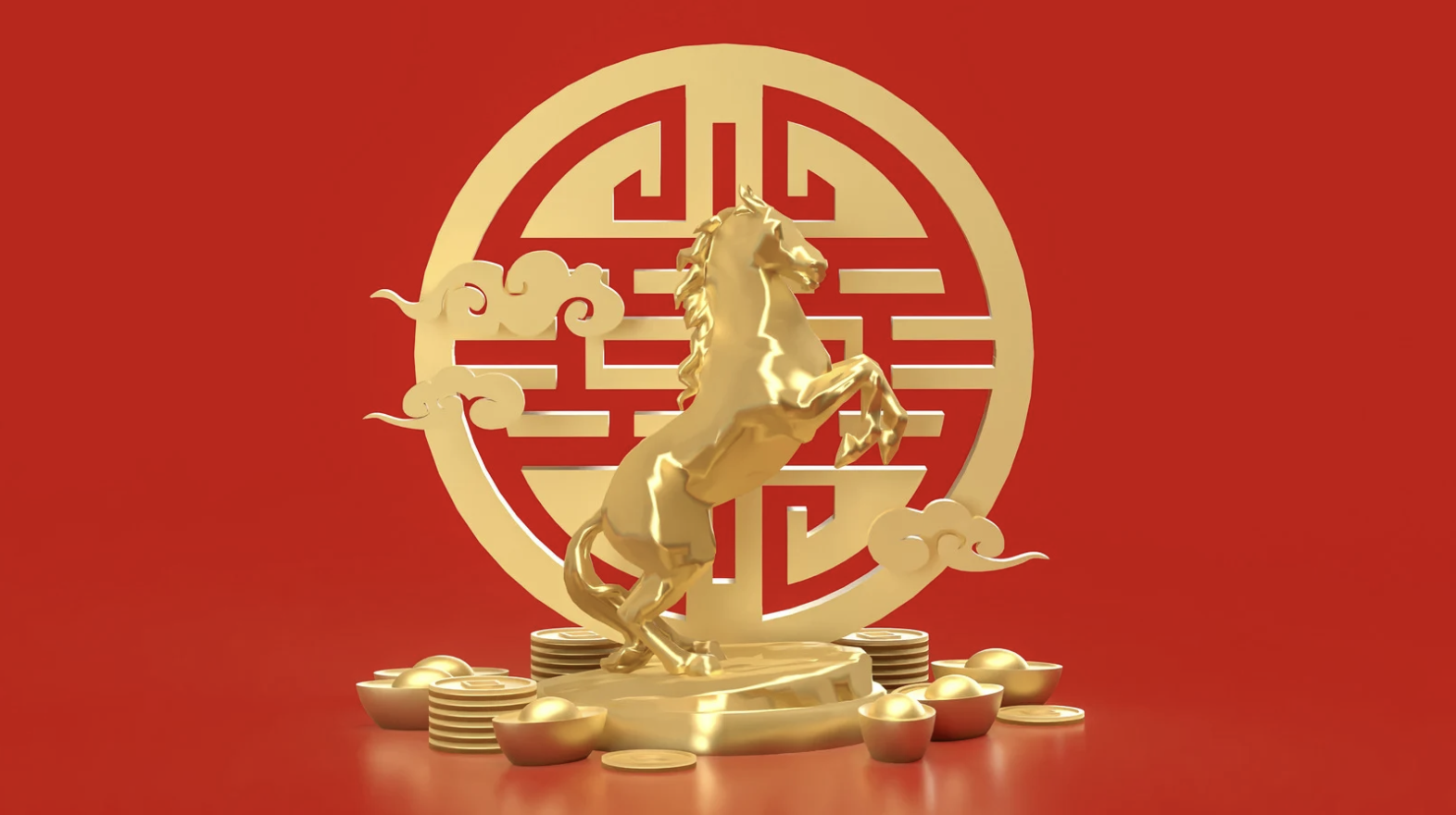
1. Energy, freedom, and enthusiasm!
Chinese New Year 2026 will usher in the year of the Horse, the seventh sign in the Chinese zodiac. If the Snake is your sign (you were born in 1930, 1942, 1954, 1966, 1978, 1990, 2002, 2014, and, of course, 2026), you are thought to be energetic, adventurous, and independent. According to Chinese astrology, the seventh zodiac sign symbolizes a love of freedom, a spirited personality, and a knack for inspiring those around you. Those born under this sign are often seen as quick thinkers who thrive on movement, change, and new experiences. The Horse’s dynamic nature makes it one of the most lively and captivating zodiac animals!

2. Timing Matters
Chinese New Year takes place on February 17th-March 3rd this year. But, that’s not the whole story. Typically, families come together for a special “reunion dinner” on New Year’s Eve (February 16th) to kick off the holiday period. And the Spring Festival period officially ends with the Lantern Festival on March 3rd, marking the first full moon night on the Chinese calendar.
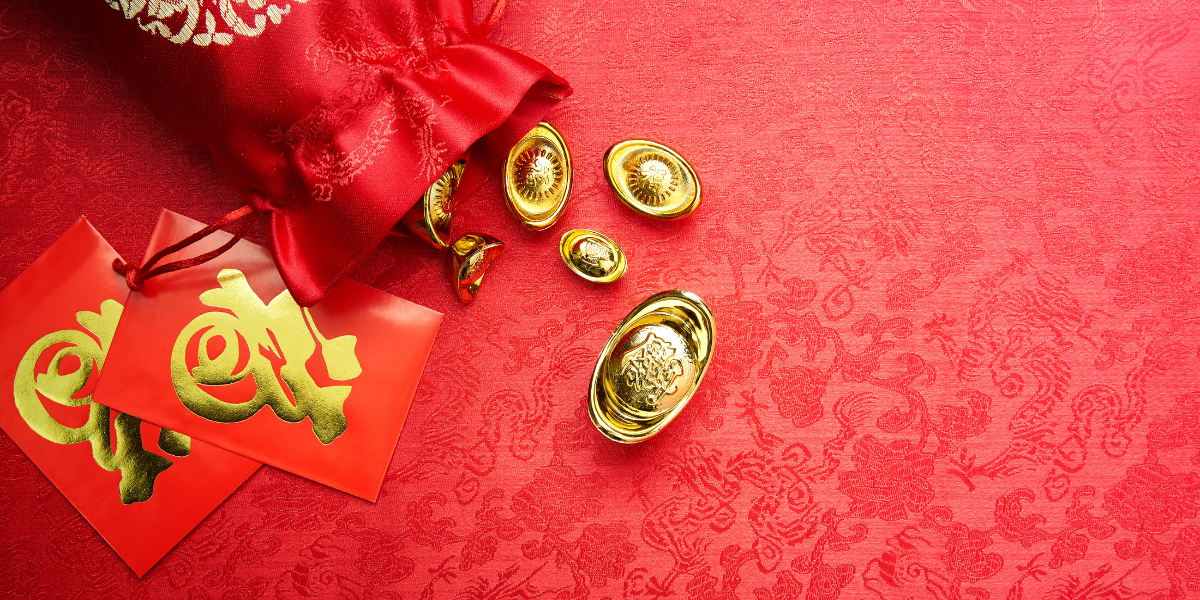
3. Happiness Wrapped in Red
While gifting money in red envelopes isn’t a tradition limited to Chinese New Year, it’s definitely the most popular moment for it. These money-filled red envelopes (always use new money bills!) are known as hongbao in Mandarin and lai see in Cantonese. They’re traditionally given to children, employees, and elders. And if this feels old-fashioned, don’t worry, there’s an app for it. According to this article, on Chinese New Year’s Eve in 2024, WeChat users sent over 5 billion digital red envelopes. Tradition continues to evolve in the digital age!